
Toyota’s upcoming GR GT could be one of the rarest cars the company has ever made, with production expected to be limited to around 500 examples.
Toyota describes the GR GT as a road-legal race car and the new flagship of its Gazoo Racing performance range. The company has not confirmed how many will be built, but Japan’s Magazine X suggests production could be kept close to the Lexus LFA’s 500-unit run.
That would make the GR GT seriously difficult to buy, though the number should be treated as a rumor until Toyota confirms it. The car is still under development, with its launch currently planned for around 2027 and several specifications listed as targets rather than final figures.
What Toyota has confirmed already sounds suitably dramatic. The GR GT uses a newly developed 4.0-litre twin-turbo V8 paired with a single electric motor, producing a targeted system output of at least 650PS and 850Nm of torque.
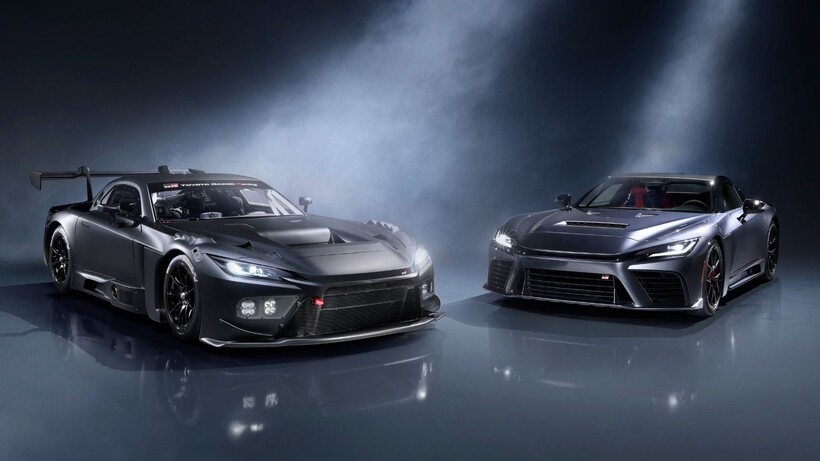
Power is sent to the rear wheels through a new eight-speed automatic transmission mounted in a rear transaxle. Toyota is targeting a top speed above 320km/h, or roughly 199mph, along with a weight of no more than 1,750kg and a 45:55 front-to-rear weight distribution.
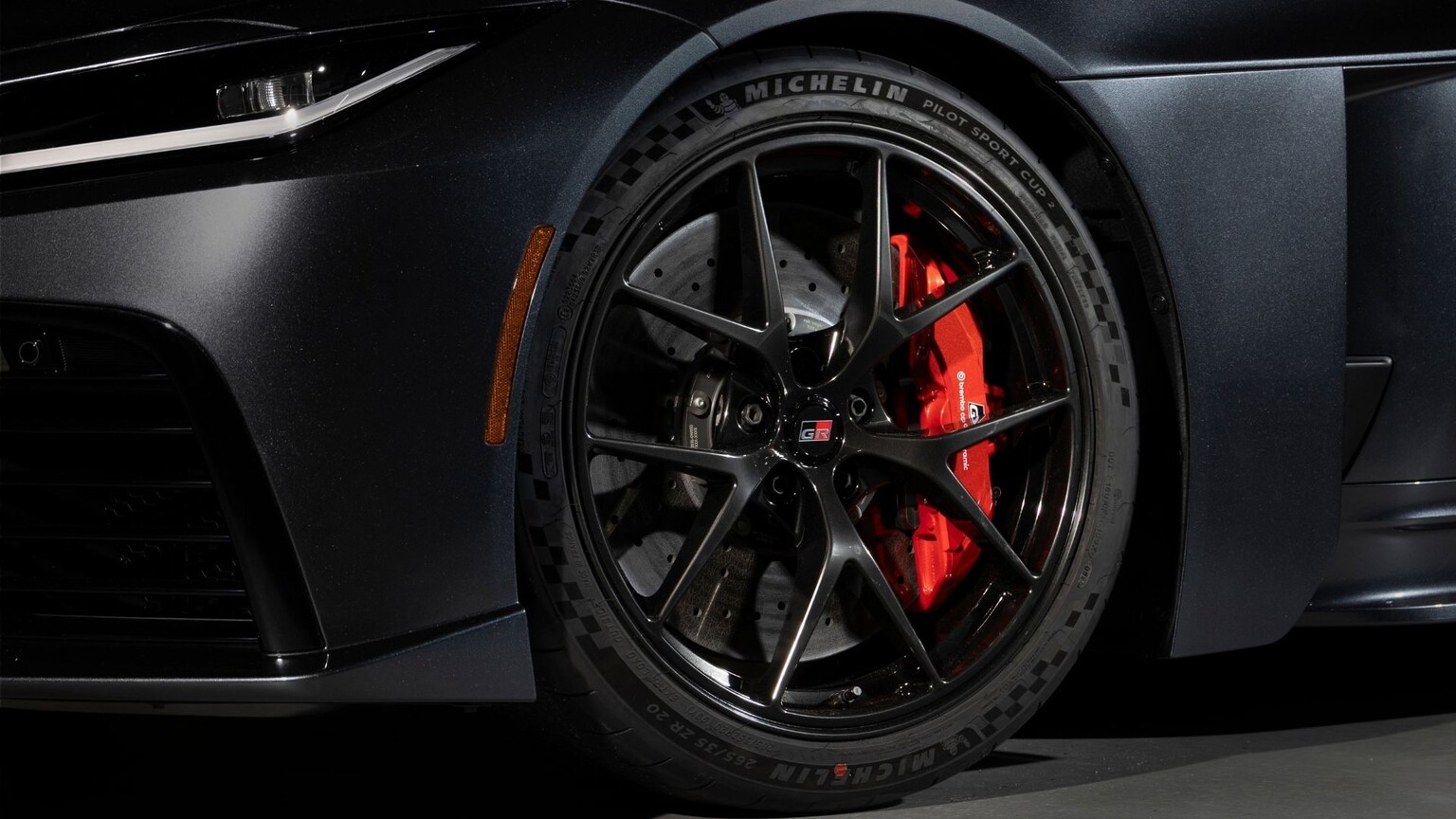
Unlike many modern supercars, the GR GT keeps its engine at the front rather than behind the cabin. An all-aluminium frame and body panels made from aluminium and carbon-fibre-reinforced plastic help reduce weight. Carbon-ceramic brakes and a dry-sump lubrication system also support the low centre of gravity and track performance Toyota is targeting.
The same Japanese report suggests that the standard coupé could eventually be joined by a more focused version and a targa model. The latter may revive Toyota’s Aero Top name, although neither variant has been officially announced.
Toyota has not revealed the GR GT’s price either, so suggestions that it will cost more than $200,000 remain speculative. With development continuing and production numbers still unconfirmed, the clearest picture should arrive closer to its planned 2027 launch.