
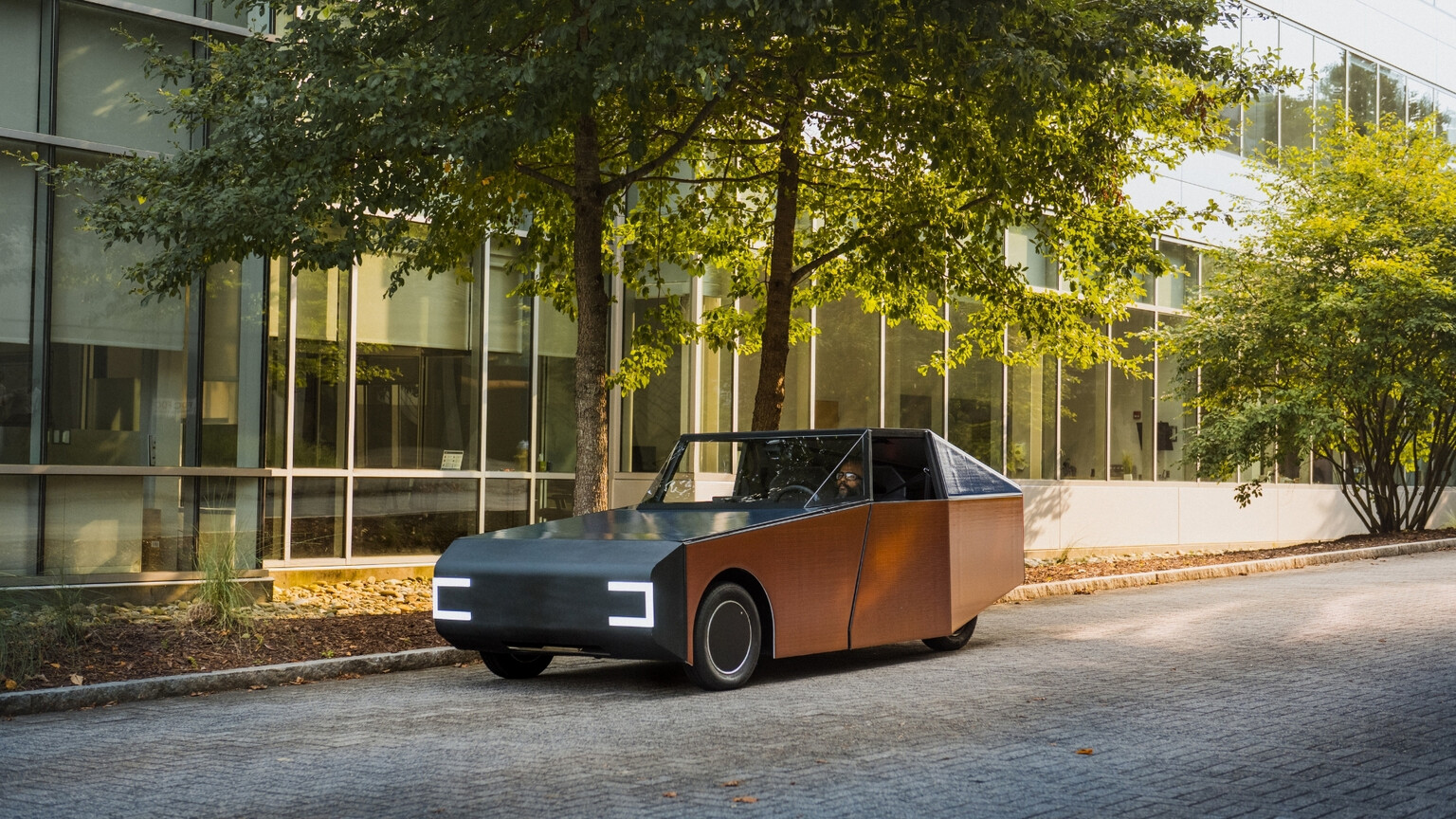
A solar-covered electric car built by university students has managed an unusual trick, generating more energy during a typical day than it needs for the journey itself.
The Deep Orange 17 prototype was developed by 16 graduate automotive engineering students at Clemson University, with support from BMW of North America. The goal was to explore whether an EV could collect more energy than it consumes during a normal urban commute.
More than 1,700 photovoltaic cells are integrated into the car’s exterior, allowing it to collect solar energy both while driving and when parked. Developed with Germany’s Fraunhofer Institute for Solar Energy Systems, the panels are designed to keep working even when parts of the car are in shade.
To see how well that could work in everyday conditions, the team modelled sunlight and environmental factors in Greenville, South Carolina, Frankfurt, Madrid and Mumbai. With a 12-mile daily commute, simulations showed the car could generate enough surplus energy for an average of 31 additional miles of range.
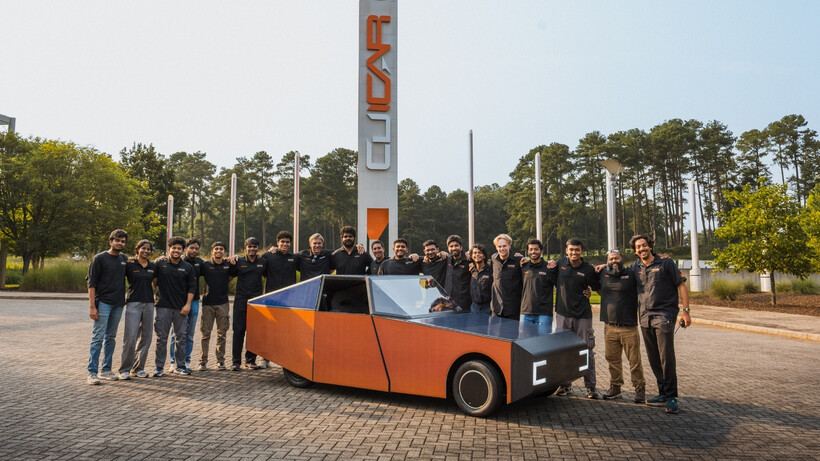
The solar panels are only part of what makes that possible. Deep Orange 17 weighs just 550kg, or 1,212lb, which Clemson says is roughly a quarter of the weight of many similarly sized production vehicles. Its construction combines structural steel with aluminum, carbon fibre and 3D-printed metal components to help keep weight down.
Efficiency also shaped the car’s unusual two-door body, which takes aerodynamic inspiration from the boxfish and elements of BMW’s design heritage. Regenerative braking, intelligent torque distribution and optimised drivetrain controls further help reduce energy consumption.
There are still several details Clemson has not revealed, including battery capacity, power output and conventional driving range. Deep Orange 17 is also a research prototype, so there are currently no plans for BMW to put it into production.
For now, the project will continue at Clemson University’s International Center for Automotive Research, with the solar EV also expected to appear at CES 2027 in Las Vegas.